Contractor in Bucks County, Pennsylvania

Hardwood Floor Refinishing:
When and How Often to Do It

Hardwood Floor Refinishing: When and How Often to Do It

Most hardwood floors need refinishing every 7 to 10 years, though heavily used rooms may need attention closer to every 5 years while low-traffic spaces can often go 15 years or longer between sandings. The right timing depends on the wood species, the type of finish applied, how much foot traffic the floor sees, and how consistently it has been maintained. Dull patches, visible scratches, water stains, and small gaps between boards are the clearest signals that a refresh is due.

What Hardwood Floor Refinishing Actually Involves

Refinishing means sanding away the top layer of a wood floor to remove the old finish, scratches, and surface imperfections, then applying a new stain (if desired) and a fresh protective topcoat. It’s different from replacement, which involves tearing out the existing boards and installing new material. Because solid hardwood typically has enough thickness to be sanded down several times over its lifespan, refinishing is usually the more economical option as long as the boards themselves are structurally sound.

Signs Your Hardwood Floors Need Refinishing

A few visual and physical cues tend to show up before a floor truly needs attention:

How Often Should You Refinish Hardwood Floors?

Average Refinishing Timeline

For a typical household, hardwood floors hold up well for roughly 7 to 10 years between refinishing jobs. Hallways, kitchens, and entryways tend to wear faster and may need a refresh every 3 to 5 years, while formal living rooms or guest bedrooms that see little use can often stretch past a decade without losing their shine.

Factors That Affect How Often You'll Need to Refinish

Several variables push that timeline earlier or later:

  • Wood species and hardness, since denser woods resist wear longer
  • Finish type, as oil-based polyurethane tends to last longer than water-based options
  • Household traffic, including kids, pets, and daily foot traffic patterns
  • Sunlight exposure, which can fade and dry out a finish over time
  • Humidity swings, which cause boards to expand, contract, and eventually gap

Not all hardwood wears the same way. Oak, maple, and hickory are dense enough to handle several sandings over a floor’s lifetime, while softer species like pine tend to show wear more quickly and may call for attention sooner. Comparing the durability and grain characteristics of different wood species helps set realistic expectations for how often a particular floor will need to be sanded and resealed.

Refinishing vs. Replacing: Which Does Your Floor Need?

Solid hardwood can generally be sanded and refinished multiple times because there’s enough wood above the tongue-and-groove joint to remove material safely. A simple test is checking for at least 1/8 inch of wood remaining above that joint; anything thinner usually means the floor is a candidate for replacement rather than another refinish. Engineered hardwood is a bit different, since it has a thinner solid-wood veneer over a plywood base, which limits how many times it can be sanded before the veneer wears through. Homeowners weighing their options sometimes find it useful to research the differences between engineered hardwood and solid hardwood flooring before deciding whether refinishing or replacement makes more sense for a particular room.

Where Refinishing Matters Most Around Your Home

Kitchens tend to need refinishing sooner than almost any other room because heavy foot traffic, spills, and dropped cookware wear down the finish fast. Homeowners who are already updating cabinets, countertops, and appliances often time the flooring work to overlap with that project, since construction dust and debris can dull a freshly refinished floor before it’s even had a chance to cure.

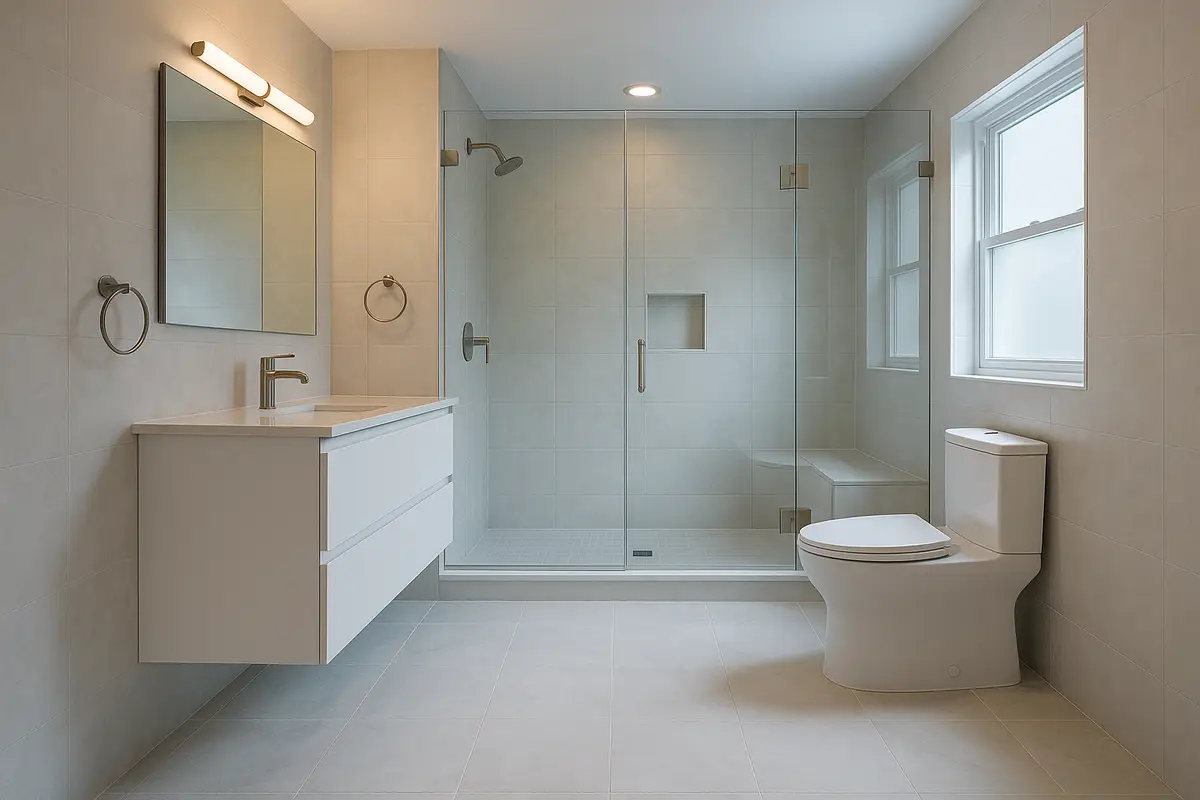
Moisture is the biggest enemy of hardwood, which is why solid wood flooring rarely shows up directly inside a bathroom. When wood-look flooring does border a bathroom, dampness from showers and standing water can warp boards and break down the finish far faster than in drier rooms of the house. Pairing a flooring refresh with new fixtures, tile, and ventilation upgrades gives homeowners a chance to address water barriers at the same time, which helps the new finish last much longer.

Whole-house projects are often the most efficient time to refinish every wood floor at once, since furniture is already being moved and other trades are already on site. Scheduling flooring work around a multi-room upgrade that touches several parts of the house cuts down on the disruption of tackling each room separately over several years and keeps the finish consistent from one space to the next.

The Hardwood Floor Refinishing Process, Step by Step

  1. Inspection and prep, where the contractor checks board thickness, moisture levels, and any spots that need repair before sanding begins.
  2. Furniture and fixture removal, along with sealing off doorways and vents to contain dust.
  3. Coarse sanding to strip away the old finish, followed by progressively finer grits to smooth the surface.
  4. Repairing gaps, squeaky boards, or minor damage discovered during sanding.
  5. Staining, if a color change or refresh is desired, followed by a drying period.
  6. Applying several coats of protective finish, with light sanding between coats for adhesion.
  7. Curing time before furniture and heavy foot traffic return to the room.

What to Expect in Terms of Cost and Timeline

Refinishing costs vary based on square footage, the condition of the existing floor, and whether a stain color change is involved, but it’s almost always less expensive than tearing out and replacing hardwood entirely. Most single-room jobs take a few days from sanding through final coat, while whole-home projects can take a week or more once drying and curing time is factored in. For homeowners comparing materials rather than committing to a full refinish, weighing durable, moisture-resistant surfaces for a busy cooking space can help clarify whether sticking with hardwood or switching materials makes more sense long term.

Simple Ways to Extend Time Between Refinishing

A few daily habits can stretch the years between sandings without much extra effort:

None of these habits eliminate the need for refinishing eventually, but they slow down the wear that leads to it, which means fewer sandings over the life of the floor and less material removed each time.

Getting the Timing Right

Waiting too long to refinish doesn’t just hurt appearance; deep scratches and worn-through finish expose bare wood to moisture and staining, which can shorten the life of the boards themselves. On the other hand, refinishing too early wastes money on a floor that still has plenty of protective finish left. Keeping an eye on the signs above, and scheduling an inspection every few years, is usually enough to catch the right window before small wear turns into a bigger repair. Future articles covering **the difference between screen-and-recoat and full sanding** and **how to maintain a hardwood finish between refinishing jobs** can offer more detail for homeowners planning ahead.

Whether a floor needs a simple screen-and-recoat or a full sand-down and refinish, working with an experienced team makes the difference between a finish that lasts for decades and one that fails within a few years. TL Drewes has handled flooring, kitchens, bathrooms, and whole-home renovations throughout Bucks County, and can help homeowners figure out the right refinishing schedule for their specific floors.

Frequently Asked Questions

A single room typically takes 2 to 4 days from sanding through the final protective coat, including drying time. Whole-home projects usually take a week or more depending on square footage and the number of coats applied.
Lightly worn floors that still have finish intact may qualify for a screen-and-recoat, which lightly abrades the surface and adds a new topcoat without removing wood. Floors with deeper scratches, stains, or bare spots generally need a full sanding to look uniform again.
No. It's common to refinish room by room based on wear level, though tackling connected spaces together tends to keep the finish and color consistent, especially in open floor plans.
Cost depends on square footage, the extent of repairs needed, and the finish selected, so it's best to get a firsthand estimate. In general, refinishing costs a fraction of what full replacement runs, making it the more budget-friendly choice for floors that are still structurally sound.
Yes, but only a limited number of times because the solid wood veneer layer is thinner than solid hardwood. A flooring professional can check the veneer thickness to confirm whether another refinish is possible or if replacement makes more sense.