Contractor in Bucks County, Pennsylvania

Signs You Need a New Roof:
A Homeowner’s Checklist

Signs You Need a New Roof: A Homeowner’s Checklist

A roof typically needs full replacement, rather than another repair, once the damage is widespread, the shingles have reached the end of their expected service life, or repairs are becoming more frequent than they’re worth. The clearest signs you need a new roof include missing, cracked, or curling shingles, granules collecting in the gutters, a sagging roofline, daylight visible through the attic boards, and water stains spreading across ceilings or walls. A single missing shingle or an isolated leak can often be patched. But when several of these warning signs show up together, or the roof is already 20 years or older, a full roof replacement is usually the more reliable and cost-effective choice long term. This checklist walks through each sign, explains what’s causing it, and helps you decide between a repair and a roof replacement.

Quick Answer: How Do You Know You Need a New Roof?

You likely need a new roof if it’s nearing or past its expected lifespan (roughly 20 to 30 years for asphalt shingles), or shows widespread shingle damage, a sagging deck, or recurring leaks. Isolated damage, like a few cracked shingles or one small leak, can often be repaired instead. Widespread or repeated problems, especially on an older roof, point toward a full replacement rather than another round of patches.

1. Your Roof Has Reached (or Passed) Its Expected Lifespan

Every roofing material has a general service life, and age alone is one of the more reliable signs you need a new roof replacement. Asphalt shingles, the most common roofing material on U.S. homes, typically last somewhere between 20 and 30 years, depending on shingle quality, the number of layers installed, attic ventilation, and local climate. Metal, slate, and tile roofs can last considerably longer.

If you know your roof’s installation date and it’s approaching the upper end of its expected range, it’s worth scheduling an inspection even without obvious damage. Roofs often fail from the inside out — the decking and underlayment can deteriorate before problems are visible from the ground.

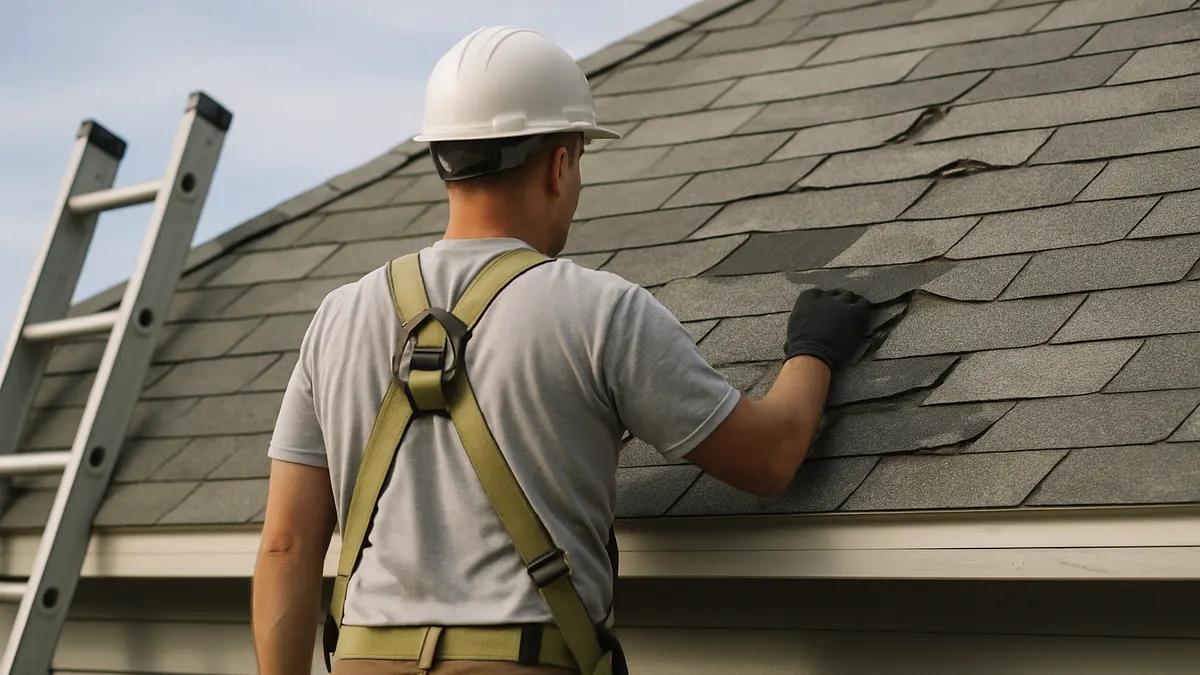
2. Shingles Are Missing, Cracked, or Curling

Shingles protect the roof deck from water, and once they start cracking, curling at the edges, or going missing, that protection breaks down. Curling usually shows up as edges lifting upward, often from age or poor attic ventilation, or as the whole shingle cupping, often from moisture trapped underneath.

A handful of damaged shingles in one area can usually be repaired. But shingle damage spread across multiple slopes, especially on an already-aging roof, is a sign the underlying materials are wearing out everywhere at once, not just in the spots you can see.

3. Granules Are Piling Up in the Gutters

Asphalt shingles are coated with granules that shield the asphalt layer from UV rays and add fire resistance. It’s normal to lose some loose granules in the first year after installation. But finding handfuls of granules in the gutters or at the base of downspouts on a roof that’s several years old is a sign the shingles are breaking down.

Granule loss accelerates as shingles age, and a roof shedding granules heavily is usually also losing its ability to block UV rays and water — both indicators that replacement is coming sooner rather than later.

4. The Roof Deck Is Sagging

A roofline should run in a straight, even line. Any dip, sag, or wave, especially near the ridge or in the middle of a slope, usually means the decking underneath has weakened, often from prolonged moisture exposure, or that the structure is carrying more weight than it was built for, such as multiple layers of old shingles or heavy snow.

Sagging is one of the more serious signs on this list because it can point to a structural issue, not just a surface one. If you notice it, have a roofing professional or structural inspector take a look promptly rather than waiting.

5. Daylight Is Visible Through the Attic Roof Boards

On a dry, sunny day, go into the attic and look up at the roof boards. Small pinpricks of daylight coming through mean there are gaps or holes in the decking — the same gaps that let water in during rain or snow. While you’re up there, check for damp insulation, dark staining on the wood, or a musty smell, all signs that moisture has already been getting in.

This is one of the more direct ways to check a roof’s condition from the inside, and it doesn’t require climbing onto the roof itself.

6. Water Stains on Ceilings, Walls, or in the Attic

Brown or yellow stains on an interior ceiling or upper wall are one of the clearest signs of an active roof leak. By the time a stain appears indoors, water has usually been getting through the roofing system for a while, since it has to pass through several layers, including shingles, underlayment, and decking, before reaching drywall.

A single, isolated stain might mean a localized repair, such as fixing flashing around a chimney or vent, will solve the problem. Stains in multiple rooms, or ones that keep returning after repairs, usually mean the roofing system as a whole is failing, similar to how warning signs your windows may need replacing often show up in more than one place at once when a window’s seal has failed.

7. Moss, Algae, or Dark Streaks on the Roof

Dark streaks on shingles are usually algae. It’s mostly cosmetic, but it holds moisture against the shingle surface and can shorten its lifespan over time. Moss is more concerning: it grows in damp, shaded areas of the roof, and its root structure can lift shingle edges, creating openings for water.

Occasional streaking on an otherwise sound roof is often just a cleaning issue. But thick moss growth, especially combined with other signs on this list, suggests the roof is holding moisture it shouldn’t be, which is a good reason to have it evaluated.

8. Energy Bills Have Been Climbing

If heating and cooling costs have crept up without an obvious explanation, an aging or damaged roof could be a contributing factor. Worn shingles, failing underlayment, and inadequate attic ventilation all reduce a roof’s ability to insulate the home, which makes the HVAC system work harder to hold a steady temperature. It’s a pattern worth watching for elsewhere in the house too —

signs it’s time to upgrade your electrical panel can point to a similar story, where an aging system quietly drives up costs and risk before it fully fails.

This sign is rarely enough on its own to justify a roof replacement, but combined with visible shingle damage, granule loss, or an aging roof, it adds to the case that the roofing system isn’t performing the way it should.

9. Storm or Wind Damage

High winds, hail, and falling debris can all damage a roof quickly, sometimes without leaving damage that’s obvious from the ground. After a significant storm, it’s reasonable to have a roofing professional inspect for lifted or missing shingles, dented vents or flashing, and hail bruising, even if there’s no visible leak yet.

If your area has experienced storm damage, many homeowners insurance policies cover a full or partial roof replacement, so it’s worth documenting any damage and contacting your insurer. Exterior storm recovery is often a good opportunity to plan other upgrades at the same time — see these exterior renovation transformations for a sense of what’s possible when roofing and other exterior work are coordinated together.

Repair or Replace? How to Decide

Factor Repair May Be Enough Replacement Is Usually Better
Roof age Under about 15 years old 20+ years old (asphalt shingles)
Damage Isolated to one small area Spread across multiple roof slopes
Leaks One-time, from a fixable source like flashing Recurring or appearing in multiple spots
Shingle condition A few missing or cracked shingles Widespread curling, cracking, or granule loss
Roof deck Solid, no sagging Sagging, soft spots, or daylight through boards

These are general guidelines, not hard rules. The right call also depends on the specific roofing material, local climate, and how long you plan to stay in the home. If you’re weighing a roof project against other work on the house, it can help to think about deciding which home upgrades to prioritize first before committing a budget to any single project. A licensed roofing contractor can inspect the roof in person and tell you whether a repair will realistically hold up or whether it’s time to budget for a full replacement.

What Affects the Cost of a New Roof

Roof replacement costs vary widely based on the size and pitch of the roof, the material chosen (asphalt shingles are typically the most affordable option, while metal, slate, and tile cost more), how many old layers need to be removed, local labor rates, and any repairs the decking needs underneath. Additional costs can come up if an inspection reveals rotted wood, inadequate ventilation, or code-required upgrades such as improved attic ventilation or ice-and-water shielding in colder climates.

Because pricing depends on so many local and project-specific factors, the most reliable way to get an accurate number is to have a few licensed local roofing contractors inspect the roof and provide written estimates. Comparing multiple quotes also helps you spot outliers, high or low, before committing to a contractor.

Compare Your Roofing and Remodeling Options

A roof replacement is a significant investment, and getting a second or third opinion is a normal part of the process. If you’re weighing a roof project alongside other work on the house, it often helps to look at the home’s condition as a whole rather than one system at a time. Homeowners planning larger updates sometimes pair exterior work like a new roof with kitchen remodeling services or bathroom remodeling services, or explore broader home renovation and remodeling services to plan everything together. Speak with a qualified, licensed roofing contractor in your area to get an accurate inspection and a written estimate before making a decision.

This guide is written for homeowners across Bucks County and the surrounding area, including Bensalem, Morrisville, Yardley, Fairless Hills, Holland, Southampton, Newtown, Hamilton, Langhorne, Richboro.

Frequently Asked Questions

Most asphalt shingle roofs last between 20 and 30 years, depending on shingle quality, installation, attic ventilation, and local climate. Metal roofing can last 40 years or more, and slate or tile roofs can last even longer with proper maintenance. Age alone doesn't guarantee failure, but a roof nearing the end of its expected range is a good candidate for a professional inspection, even without visible damage.

Often, yes. Isolated issues, like a small leak around a vent or a handful of damaged shingles, can usually be repaired without replacing the whole roof. Replacement becomes the better option when damage is widespread, the roof is old, or repairs keep recurring in different spots, since patching an aging roof repeatedly tends to cost more over time than one full replacement.

Delaying a needed roof replacement usually lets water keep getting into the home, which can damage insulation, drywall, and framing, and in some cases lead to mold growth. What starts as a roofing cost can turn into a larger interior repair project if leaks go unaddressed, and it tends to reduce the home's insulation performance and curb appeal over time.

Storm damage often shows up as lifted, torn, or missing shingles, dented vents or flashing, and small circular bruises from hail. Some of this damage isn't visible from the ground, so it's common to have a roofing contractor inspect the roof after a significant storm, particularly if you're planning to file an insurance claim.

It depends on the policy and the cause of the damage. Many homeowners insurance policies cover roof replacement when damage results from a covered event, such as a storm or falling tree, but they typically don't cover replacement due to normal wear and aging. Check your specific policy or contact your insurer to understand what's covered before assuming either way.

Roofing contractors can generally work in most seasons, but many homeowners schedule replacements in spring or fall, when temperatures are moderate and there's less risk of weather delays. If a roof is actively leaking or storm-damaged, it's usually better to address it as soon as possible rather than waiting for a particular season.

In some cases, yes — many local building codes allow one layer of shingles to be installed over an existing layer. However, most roofing professionals recommend a full tear-off, since it allows the decking to be inspected and repaired if needed, and extra layers add weight and can shorten the new shingles' lifespan. Codes and best practices vary, so check with a local contractor.