Contractor in Bucks County, Pennsylvania

10 Eco-Friendly Home Renovation Ideas for a Sustainable Home

10 Eco-Friendly Home Renovation Ideas for a Sustainable Home

Eco-friendly home renovation ideas focus on updates that lower energy and water use, reduce waste, and improve indoor air quality while still making a home more comfortable to live in. The most effective changes usually start with the building envelope — windows, doors, and insulation — and then extend to water fixtures, appliances, and material choices. This matters because a sustainable home renovation isn’t one single project; it’s a combination of smaller, practical upgrades that add up over time, and the right starting point depends on a home’s age, climate, and budget. This guide walks through ten realistic eco-friendly home improvements homeowners across the country are choosing, along with what affects cost and how to prioritize if you can’t tackle everything at once.

1. Upgrade to Energy-Efficient Windows and Doors

Old, single-pane windows and drafty exterior doors let conditioned air escape, which forces heating and cooling systems to work harder than they should. Replacing them with ENERGY STAR–certified windows and insulated doors is one of the more visible eco-friendly home renovation ideas because it improves comfort in every room, not just energy use. It’s worth reading up on energy-efficient door replacement options and what modern window upgrades can improve to understand material choices and what installation typically involves. Older homes in cooler climates tend to see the most noticeable difference, though results vary with current window condition and local weather patterns.

2. Add or Improve Attic and Wall Insulation

Insulation is one of the least visible but highest-impact sustainable renovation upgrades available, since attics and exterior walls are common points of heat loss in older homes. Adding or upgrading insulation helps a home hold its temperature more consistently, which eases the strain on HVAC equipment. It’s often paired with air sealing around ductwork, wiring penetrations, and rim joists for a bigger combined effect. Cost varies with attic size, insulation type, and regional labor rates, so it’s worth budgeting for a home renovation project before getting quotes.

3. Install Low-Flow and WaterSense-Certified Fixtures

Low-flow faucets, showerheads, and toilets carrying the EPA’s WaterSense label are designed to reduce water use without a noticeable drop in performance. This is a practical eco-friendly home improvement because it can be handled fixture by fixture during a bathroom renovation project rather than requiring a full remodel. It also tends to lower water bills gradually, though actual savings depend on household size, local water rates, and how old the current fixtures are.

4. Choose Sustainable and Reclaimed Materials

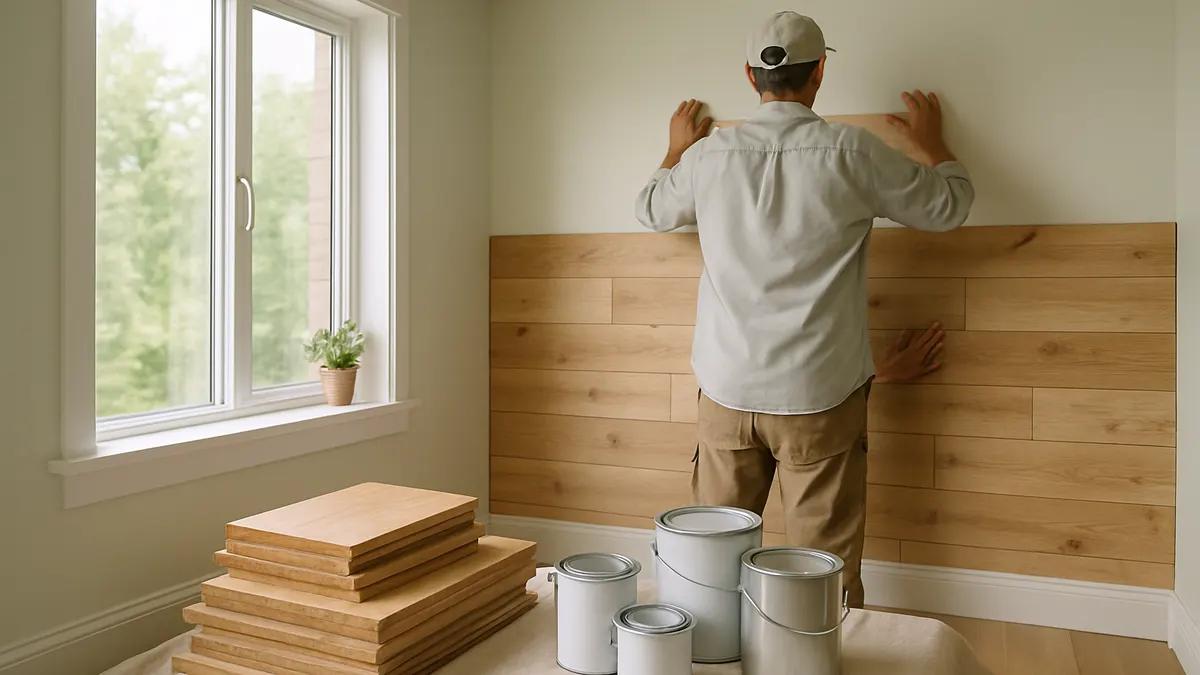
Reclaimed wood, recycled metal, and FSC-certified lumber reduce demand for newly harvested materials and often bring character that manufactured products don’t. These materials work well for flooring, cabinetry, countertops, and accent walls, and pair naturally with professional tile installation for a cohesive finish. Availability and pricing vary by region and supplier, so confirming lead times early in the planning stage helps avoid delays on larger projects.

5. Upgrade to ENERGY STAR–Rated Appliances

ENERGY STAR–certified refrigerators, dishwashers, washers, and HVAC equipment are built to meet federal efficiency guidelines, using less energy than standard models. Replacing aging appliances during a kitchen renovation project is a natural time to make the switch, since new plumbing and electrical connections are often already part of the work. Appliance efficiency ratings can be compared directly before purchasing so the upgrade fits both the budget and the space.

6. Consider a Cool or Reflective Roof

A cool roof uses reflective materials or coatings to reduce how much heat the roof absorbs, which can ease the load on air conditioning during warmer months. This is worth discussing with a contractor if a roof replacement is already planned, since the added material cost is typically modest relative to the full project. The benefit is most noticeable on older, dark-colored roofing exposed to direct summer sun.

7. Improve Indoor Air Quality with Low-VOC Materials

Paints, adhesives, flooring, and cabinetry can release volatile organic compounds (VOCs) into indoor air for months after installation. Choosing low-VOC or zero-VOC products is a simple way to make a renovation healthier without changing the overall design plan. This matters most for households with children, allergies, or respiratory sensitivities, and most major paint brands now offer low-VOC lines at prices comparable to standard formulas.

8. Add a Smart Thermostat and Energy Monitoring

A smart thermostat learns a household’s schedule and adjusts heating and cooling automatically, which can reduce energy use when no one is home. Many models also provide usage reports that make it easier to spot inefficiencies, such as a system running longer than expected. This is one of the more affordable sustainable home renovation ideas, since installation is quick and doesn’t require any structural changes.

9. Explore Solar Panels or Renewable Energy Additions

Rooftop solar panels can offset a portion of a home’s electricity use, though actual output depends on roof orientation, shading, local climate, and system size. Homeowners typically evaluate this alongside other efficiency upgrades, since a well-insulated, energy-efficient home needs a smaller system to meet its needs. Federal and state incentives for solar and other renewable upgrades have existed in various forms, but program details and eligibility change over time, so it’s worth checking current guidance from the U.S. Department of Energy or a licensed solar installer before committing.

10. Reface or Repurpose Instead of Full Replacement

Not every eco-friendly renovation requires tearing out and replacing everything. Cabinet refacing, refinishing existing hardwood floors, and reusing structurally sound framing during a remodel all cut down on construction waste while still refreshing a space. This approach fits well with budget-friendly home improvement strategies, since it can lower both material costs and landfill waste at the same time.

Bringing It All Together

The most effective eco-friendly home renovation ideas usually start with the building envelope — insulation, windows, and doors — since these affect comfort and energy use every day. From there, water-saving fixtures, efficient appliances, and sustainable materials round out a renovation that’s healthier for the home and less wasteful over time. Not every upgrade needs to happen at once; many homeowners prioritize based on budget and tackle changes room by room.

Compare Your Renovation Options

If you’re weighing which sustainable upgrades make sense for your home, reviewing your options with a licensed contractor can help clarify cost, timeline, and priority. T.L. Drewes Renovating & Remodeling offers full home remodeling services and can help you plan a renovation that balances efficiency, budget, and long-term value — whether that means a single-room update or a whole-house project.

T.L. Drewes Renovating & Remodeling serves homeowners throughout Bensalem, Morrisville, Yardley, Fairless Hills, Holland, Southampton, Newtown, Hamilton, Langhorne, Richboro, and surrounding Bucks County communities.

Frequently Asked Questions

For most homes, air sealing and insulation upgrades offer the best return relative to cost because they reduce energy waste year-round without major construction. Low-flow fixtures are another low-cost starting point. The most effective first step depends on a home's age, current insulation levels, and local climate, so a home energy assessment can help identify priorities before spending on bigger projects.

Energy-efficient windows, updated insulation, and modern appliances are generally viewed favorably by buyers because they suggest lower ongoing utility costs. That said, the effect on resale value varies by market, buyer preferences, and how the upgrade is presented, so it shouldn't be the only reason to choose a particular project.

Costs vary widely by material and project. Some sustainable options, like reclaimed wood, can cost more due to sourcing and labor, while others, like low-VOC paint, are priced similarly to standard products. Comparing quotes from a few suppliers gives a more accurate picture than assuming sustainable always means more expensive.

Energy-efficient renovations focus specifically on reducing energy use, such as through insulation or ENERGY STAR appliances. Eco-friendly renovations are broader and can also include water conservation, sustainable materials, and indoor air quality, so energy efficiency is typically just one part of a larger eco-friendly approach to a home.

Yes. Targeted updates like air sealing, insulation top-ups, low-flow fixtures, and LED lighting can meaningfully improve efficiency without touching a home's layout or structure. These smaller projects are often a practical starting point before homeowners consider a larger renovation.

Federal and state programs have offered incentives for certain energy-efficient upgrades in the past, but eligibility, amounts, and available programs change over time. Homeowners should check current details directly with the IRS, ENERGY STAR, or a local tax professional before assuming a specific project qualifies, since rules can shift from year to year.