Contractor in Bucks County, Pennsylvania

Quartz vs Granite vs Marble:
The Ultimate Kitchen Countertop Guide

Quartz vs Granite vs Marble: The Ultimate Kitchen Countertop Guide

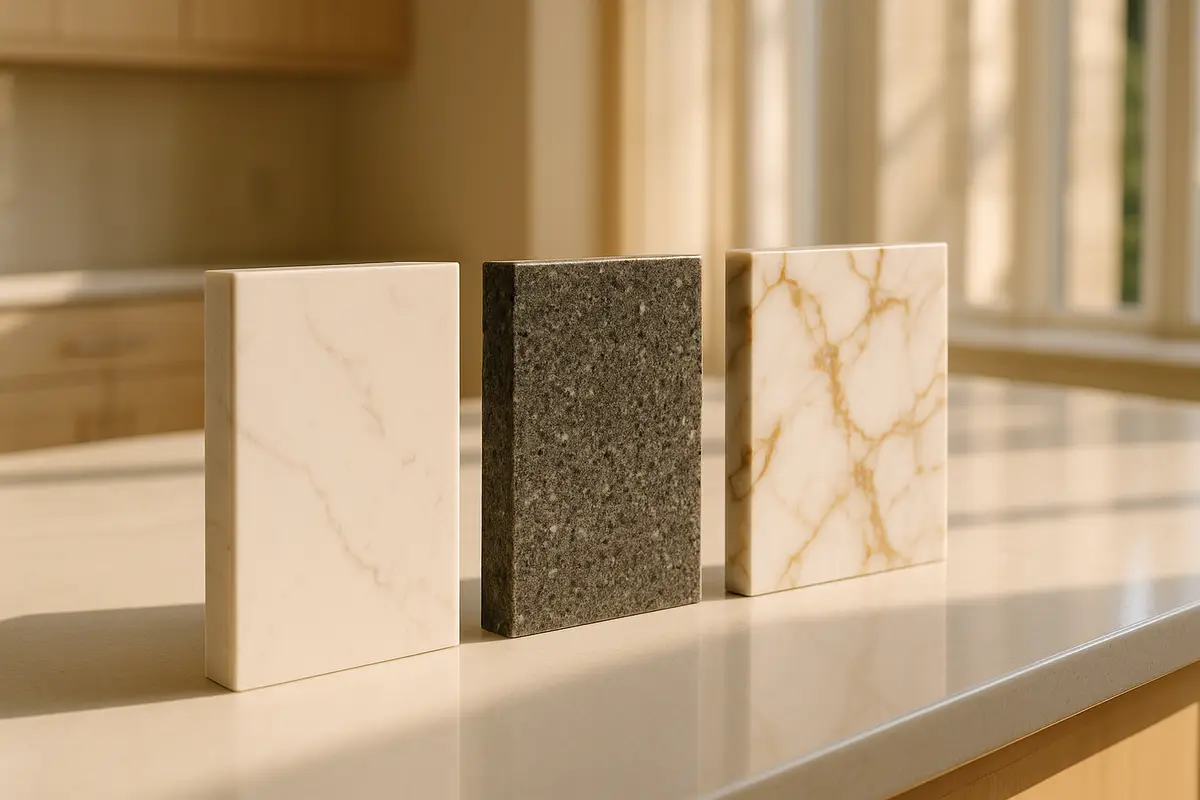
Choosing the right countertop is one of the most important decisions you’ll make during a kitchen renovation project. The material you pick will affect how your kitchen looks, how easy it is to maintain, and how much it costs over time. Three options consistently top homeowners’ lists: quartz, granite, and marble. Each has real advantages — and real drawbacks. This guide breaks it all down so you can make a confident, informed decision.

Why Your Countertop Choice Matters More Than You Think

A countertop isn’t just a surface to prep food on. It anchors the visual style of your entire kitchen, takes a beating every single day, and plays a significant role in your home’s resale value. The wrong choice can mean constant maintenance headaches, staining, or an aesthetic that clashes with the rest of your remodel. The right choice delivers beauty and function for decades.

Whether you’re doing a full gut renovation or just updating the surfaces, understanding the differences between these three materials is essential. If you’re also considering updates beyond the countertops — like flooring, cabinetry, or layout — check out our guide to what a complete kitchen renovation involves to plan your project effectively.

Quick Overview: Quartz, Granite, and Marble at a Glance

Before diving into the details, here’s a high-level snapshot of how these three materials compare:

Feature Quartz Granite Marble
Composition Engineered stone Natural stone Natural stone
Durability Excellent Excellent Moderate
Stain Resistance High High (when sealed) Low
Maintenance Low Moderate High
Heat Resistance Moderate High Moderate
Cost (per sq ft) $50–$120 $40–$100 $75–$250
Best For Busy kitchens Classic/rustic style Luxury/low-use areas

Quartz Countertops: The Low-Maintenance Powerhouse

What Is Quartz?

Quartz countertops are engineered from roughly 90–95% crushed natural quartz crystals combined with resins, polymers, and pigments. Unlike granite or marble, quartz is manufactured — which means it’s consistent in color and pattern and doesn’t require sealing.

Pros of Quartz

  • Non-porous surface: Quartz won’t absorb liquids, making it highly resistant to staining from wine, coffee, and cooking oils.
  • No sealing required: Unlike natural stone, quartz never needs to be sealed or resealed — a major time and cost saver.
  • Consistent appearance: Since it’s manufactured, you get a uniform look across slabs, which makes matching easier.
  • Extremely durable: It’s one of the hardest countertop materials available, standing up well to daily kitchen use.
  • Wide style variety: Quartz is available in colors and patterns that mimic marble, granite, and even concrete — all with better durability.

Cons of Quartz

  • Not entirely heat resistant — always use trivets or hot pads to avoid damage.
  • UV exposure can cause discoloration over time, making it better suited for interior use.
  • Higher cost than some natural stone options, though the lack of maintenance costs offsets this.

Granite Countertops: Timeless Natural Beauty

What Is Granite?

Granite is a natural igneous rock formed deep within the earth over millions of years. Every slab is completely unique — no two pieces of granite look the same — which is part of what makes it so appealing to homeowners who want a one-of-a-kind look.

Pros of Granite

  • Unique, natural appearance: Each slab has its own character, offering a depth and variation that engineered stone can’t replicate.
  • Excellent heat resistance: Granite can handle hot pots and pans directly on the surface without damage.
  • Very durable: Properly maintained granite is incredibly hard and scratch-resistant under normal conditions.
  • Strong resale appeal: Natural stone countertops are a well-recognized selling point for homes.
  • Broad price range: Granite comes in a range of price points, making it accessible for different budgets.

Cons of Granite

  • Requires annual sealing to prevent staining and bacteria absorption.
  • Natural variations in the stone mean the slab you see in the showroom may differ from what gets installed.
  • Heavy weight may require cabinet reinforcement during installation.

Marble Countertops: Elegant, Luxurious, and Demanding

What Is Marble?

Marble is a metamorphic rock known for its distinctive veining and timeless luxury appeal. It’s been used in high-end architecture and design for centuries. While it’s undeniably beautiful, marble requires more careful handling than quartz or granite.

Pros of Marble

  • Unmatched elegance: Marble’s veined patterns and luminous surface are considered the gold standard in kitchen luxury.
  • Cool surface: Marble stays naturally cool, making it ideal for baking and pastry work.
  • Adds significant prestige: Marble is associated with upscale homes and can enhance perceived property value.
  • Unique appearance: Like granite, no two marble slabs are identical.

Cons of Marble

  • Highly porous and prone to staining from acidic foods and liquids like lemon juice, wine, and tomato sauce.
  • Etches easily — acidic substances can dull the polished surface permanently without proper sealing.
  • Requires frequent sealing and careful daily maintenance.
  • Among the most expensive countertop options, especially for premium varieties like Calacatta or Statuario.
  • Not recommended for households with young children or high-traffic cooking environments.

Which Countertop Material Is Right for Your Kitchen?

The best countertop depends on your lifestyle, cooking habits, budget, and aesthetic goals. Here's a practical breakdown to help you decide:

Choose Quartz If…

  • You have a busy household with kids or frequent cooking.
  • You want minimal maintenance and no need for sealing.
  • You prefer a consistent, uniform look.
  • You’re planning a comprehensive kitchen remodel and want materials that perform well long-term.

Choose Granite If…

  • You love the look of natural stone and want a unique, one-of-a-kind slab.
  • You frequently cook with hot pans and need a heat-tolerant surface.
  • You’re comfortable with annual sealing as part of regular home maintenance.
  • You want a classic material that holds strong resale value.

Choose Marble If…

  • You prioritize luxury aesthetics above all else.
  • Your kitchen is used primarily for light cooking or entertaining rather than heavy daily use.
  • You’re willing to invest time in proper maintenance and protective measures.
  • You want a statement surface in a high-end remodel.

Don't forget to factor in long-term costs. Marble's maintenance, sealing products, and potential for damage and repair can add up over time. Quartz, while sometimes more expensive upfront, tends to be the most cost-effective over the life of the kitchen. If you're working with a tighter budget, our post on affordable kitchen renovation ideas offers practical strategies to get the most out of your investment.

How Countertop Selection Fits Into Your Overall Kitchen Remodel

Your countertop choice doesn’t exist in isolation — it needs to work with your cabinetry, flooring, backsplash, and lighting. A full custom kitchen renovation takes all of these elements into account to ensure a cohesive final result.

It’s also worth considering how your countertop interacts with adjacent spaces. If you’re updating your bathrooms at the same time, note that many of the same materials — quartz, granite, and marble — work beautifully in bathroom vanity and surface applications as well, giving your home a cohesive material story from room to room.

Planning ahead for the full scope of your renovation can also help you save. See how smart planning keeps projects on schedule with our guide on avoiding delays in your home renovation timeline. If you’re thinking about whether your kitchen upgrade could boost your home’s market appeal, our article on how kitchen renovations add value to your home offers useful perspective.

If you’re also considering flooring or backsplash work alongside your countertop upgrade, professional tile installation services can complete the look with a coordinated finish. The right tile pairing can dramatically elevate quartz, granite, or marble countertops, creating a polished, high-end kitchen environment.

Pro Tips Before You Buy: What Contractors Want You to Know

Interested in a complete comparison of countertop materials including butcher block, concrete, and porcelain — a deep-dive guide coming soon that covers every major surface option for modern kitchens.

Also worth reading for context: our breakdown of cabinet refacing vs. full replacement, which pairs naturally with any countertop upgrade decision.

Ready to Upgrade Your Kitchen Countertops?

The right countertop material can transform your kitchen into a space that’s both beautiful and built to last. If you’re ready to move forward with a kitchen remodel — or even a full whole-home renovation project — T.L. Drewes brings 20 years of construction experience and a commitment to quality craftsmanship at every step.

Call us at (215) 801-6184 to schedule a free consultation, or get in touch through our contact page. We’ll help you make the right choices for your home, your budget, and your lifestyle.

Frequently Asked Questions

For most households, quartz offers a practical edge due to its non-porous surface and lack of sealing requirements. Granite is a strong alternative for those who prefer natural stone and are comfortable with routine maintenance.
Most granite countertops should be sealed once a year. Some denser, darker granites may only need sealing every two to three years. A simple water test — if water beads on the surface, the seal is intact — can help you determine when it's time to reseal.
It's not recommended. While quartz is durable, the resins used in manufacturing can be damaged by prolonged heat exposure. Always use trivets or heat pads to protect the surface.
Marble is worth considering if aesthetics are your top priority and you're prepared for the maintenance commitment. However, for most busy family kitchens, quartz or granite will hold up better with less effort.
All three materials can add value. Quartz tends to appeal most broadly to buyers due to its low maintenance. High-quality marble can command premium prices in luxury markets. Granite remains a universally recognized and respected upgrade for most mid-range homes.
Quartz and granite are both extremely durable. Quartz has a slight edge for everyday practicality because it's non-porous and doesn't require sealing. Granite can be equally durable when properly maintained.
All three materials — quartz, granite, and marble — can last 20 to 30 years or longer with proper care. Marble's lifespan in high-use kitchens may be shorter due to etching and staining risk.