Contractor in Bucks County, Pennsylvania

Open Shelving vs Traditional Cabinets:
Which Is Better for Your Kitchen?

Open Shelving vs Traditional Cabinets: Which Is Better for Your Kitchen?

Few choices shape the look and feel of a kitchen as much as how you decide to store everyday items. Open shelving and traditional cabinets both have devoted fans, and both can look beautiful when they are done well. The real question is which approach fits your daily routine, your design taste, and the way your household actually lives in the space.

If you are mapping out an upcoming renovation, this guide breaks down the honest strengths and trade-offs of each option, so you can make a confident decision before any work begins.

What Is Open Shelving?

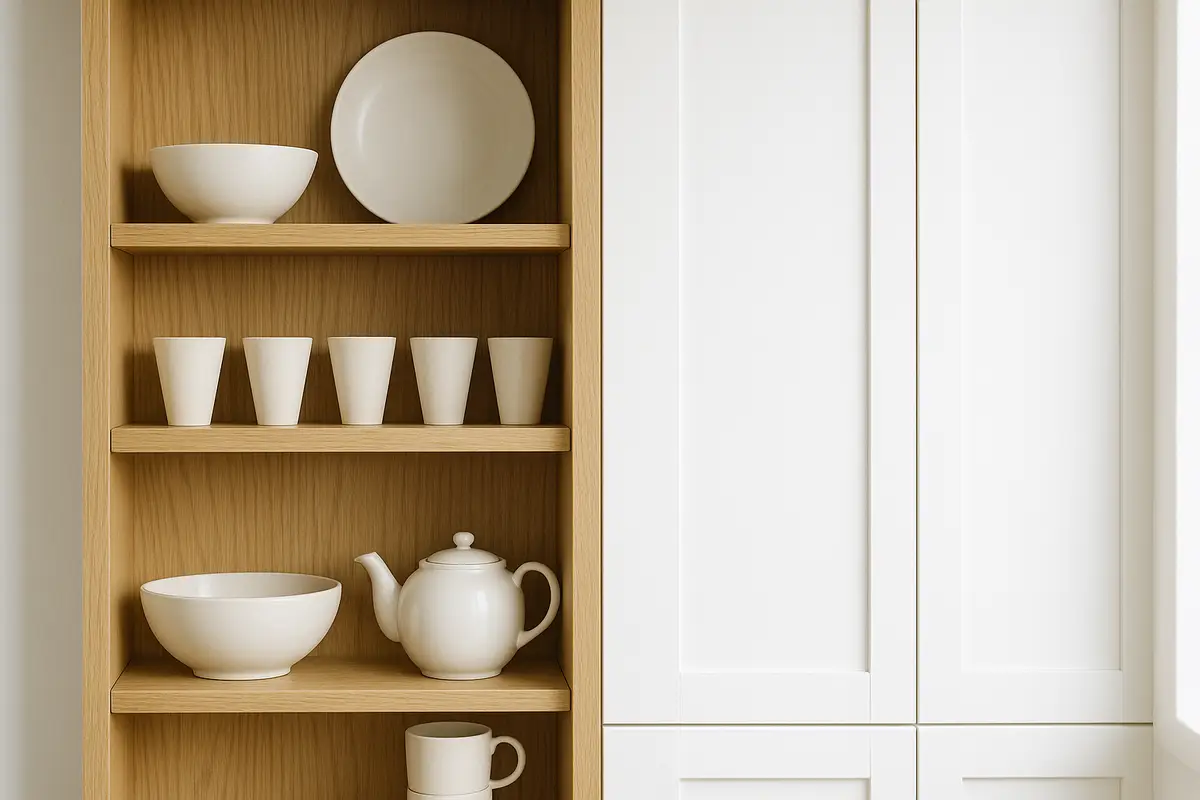
Open shelving means mounting horizontal boards or floating shelves directly on the wall, leaving dishes, glassware, and decorative pieces in full view. It has become a signature feature of modern, farmhouse, and minimalist kitchens because it makes a room feel light, breathable, and welcoming. Instead of a wall of closed doors, you get an airy display that doubles as part of the decor.

What Are Traditional Cabinets?

Traditional cabinets are enclosed boxes with doors and drawers that conceal whatever is stored inside. They remain the most common storage solution in American homes for good reason. They hide clutter, protect contents from grease and dust, and offer enormous flexibility in style, color, and configuration. From classic shaker doors to sleek flat-panel fronts, cabinets can match almost any aesthetic.

The Pros and Cons of Open Shelving

Where Open Shelving Shines

  • Visually expands the room and lets in more light, which is a big win in smaller kitchens.
  • Keeps frequently used plates, mugs, and bowls within easy arm’s reach.
  • Usually costs less than installing a full run of upper cabinetry.
  • Turns attractive dishware, cookbooks, and greenery into part of the decor.
  • Simple to install and easy to restyle whenever your taste changes.

The Drawbacks to Weigh

  • Everything is on display, so the shelves only look good when they stay tidy.
  • Dust and airborne cooking grease settle on exposed dishes more quickly.
  • Offers less overall storage than the same wall lined with closed cabinets.
  • Requires a bit of styling effort to look intentional rather than cluttered.

If the look appeals to you but you are unsure where to start, an upcoming guide on how to style open shelves like a designer will walk through arranging items so they feel curated, not chaotic.

The Pros and Cons of Traditional Cabinets

Why Cabinets Remain a Favorite

  • Hide everyday clutter and keep countertops looking clean and uncluttered.
  • Shield dishes and pantry goods from dust, grease, and moisture.
  • Deliver far more usable storage per square foot of wall space.
  • Come in nearly endless styles, finishes, and hardware options.
  • Carry strong resale appeal because most buyers expect enclosed storage.

Potential Downsides

  • Higher upfront investment, particularly for custom or semi-custom builds.
  • Can make a compact kitchen feel boxed in if every wall is covered.
  • More involved and costly to swap out once they are installed.
  • Quality construction matters, so cutting corners shows over time.

If your current boxes are structurally sound but dated, you do not always need to replace everything. Our breakdown of refreshing existing cabinetry versus starting fresh explains when an update makes more sense than a full tear-out.

Comparing Cost, Maintenance, and Style

Sometimes the easiest way to decide is to see the differences side by side. The table below sums up how the two approaches stack up across the factors homeowners ask about most.

Factor Open Shelving Traditional Cabinets
Upfront cost Generally lower Higher, especially custom
Storage capacity Limited and visible Maximized and concealed
Maintenance Frequent dusting and tidying Wipe-down doors occasionally
Visual effect Open, airy, spacious Clean, streamlined, classic
Best for Display pieces, smaller items Hiding clutter, bulk storage
Resale appeal Trendy but polarizing Broadly expected by buyers

Which Option Is Right for Your Kitchen?

There is no universal winner here. The best choice depends on how you cook, how much you store, and how much upkeep you are willing to take on. A household that loves entertaining and owns beautiful dishware may relish the display that open shelving invites. A busy family with lots of gadgets and pantry staples will likely appreciate the hidden capacity that cabinets provide.

Your overall floor plan plays a role too. The same way an open layout changes how rooms connect, your storage choice changes how the kitchen feels day to day. Our look at how an airy layout compares with more defined spaces can help you think about flow before you commit to a storage style.

Tight on square footage? Open shelving can be a smart way to keep things feeling spacious, and you can pair it with a few clever cabinets below. For more ideas in this direction, see our space-saving updates for compact cooking areas.

Many of the most successful kitchens do not pick a side at all. They blend both, using closed cabinets for bulky and unattractive items while reserving a stretch of open shelves for display. A future article on blending open and closed storage in one kitchen will dig into how to balance the two without the room feeling busy. Choosing the right materials for floating shelves is part of getting that mix right as well.

Whatever you choose, the surfaces around your storage matter just as much. If you are still deciding, our guide to durable flooring choices for a renovation pairs nicely with planning your cabinetry and shelving.

Get Expert Guidance Before You Decide

Storage decisions are easier with a professional eye on the project. A seasoned kitchen design-build team can help you balance looks, function, and budget, and show you how each option works within your specific layout. If your plans reach beyond the kitchen, the same craftsmanship carries into a complete home transformation for a cohesive feel throughout the house.

Before any demolition starts, it also helps to have a plan in writing. Our step-by-step project planning roadmap keeps every phase organized so nothing gets overlooked.