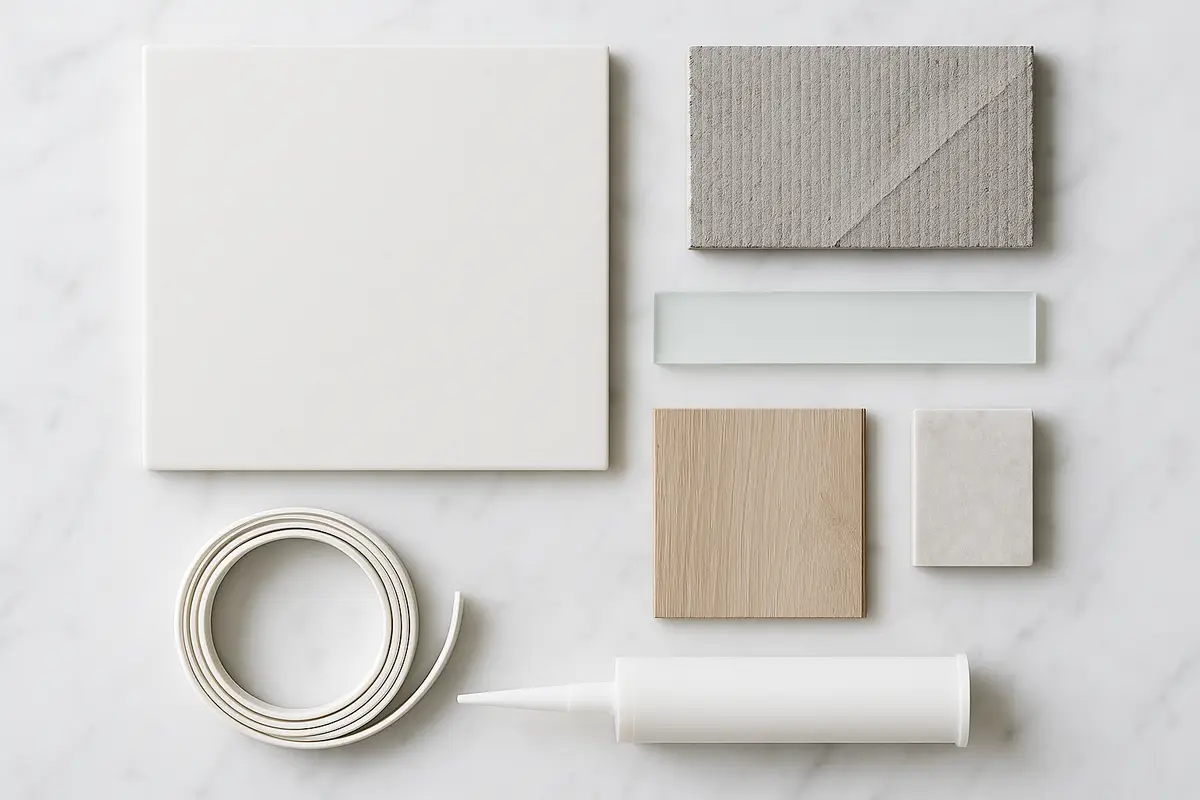
Contractor in Bucks County, Pennsylvania

Best Waterproof Materials for Bathroom Remodeling

Best Waterproof Materials for Bathroom Remodeling

When it comes to bathroom renovation upgrades, one of the most important decisions you will make is choosing the right materials. The bathroom is the most moisture-heavy room in any home, and selecting the wrong surfaces can lead to mold, warping, structural damage, and costly repairs down the road. Whether you are planning a full renovation or a targeted refresh, understanding which materials truly hold up in wet conditions is the foundation of a smart remodel.

This guide walks you through the best waterproof materials for bathroom remodeling, explains their pros and cons, and helps you make informed decisions that last for years.

Why Waterproofing Is the Foundation of Every Bathroom Remodel

Bathrooms take a daily beating from steam, splashing water, and humidity. Without proper waterproofing, even the most beautiful finishes can deteriorate quickly. Water that seeps behind walls or under floors creates the ideal environment for mold and mildew growth, which can be hazardous to your health and expensive to remediate.

Waterproofing is not just about the visible surfaces. It includes the materials beneath tiles, behind fixtures, and around windows and doors. A thorough approach to moisture protection ensures your remodel looks great and functions reliably for the long haul.

If you are also updating other areas of your home alongside your bathroom, exploring a complete residential renovation plan can help you coordinate timelines, materials, and budget for a seamless outcome.

Top Waterproof Materials for Bathroom Remodeling

1. Porcelain and Ceramic Tile

Porcelain and ceramic tile remain the gold standard for bathroom floors and walls, and for good reason. Porcelain, in particular, has an extremely low water absorption rate, making it nearly impervious to moisture when properly installed and sealed.

Here is what makes tile such a strong choice:

  • Highly durable and scratch-resistant
  • Available in a wide range of sizes, colors, and textures
  • Easy to clean and maintain
  • Resists staining, fading, and heat

The key to getting full waterproofing performance from tile is proper grout application and sealing. Grout lines can absorb moisture if left unsealed, so this step should never be skipped. Large-format tiles with minimal grout lines are also a popular option for reducing maintenance.

2. Fiberglass and Acrylic Shower Panels

For homeowners looking for a cost-effective and low-maintenance option, fiberglass and acrylic panels are worth serious consideration. These prefabricated units are designed specifically for wet environments and eliminate the grout lines that can harbor mildew.

Pros of fiberglass and acrylic panels:

  • Non-porous surface that resists moisture and mold
  • Lightweight and easy to install
  • Budget-friendly compared to natural stone or custom tile
  • Seamless design reduces cleaning effort

The trade-off is that acrylic and fiberglass surfaces can scratch more easily than tile and may show wear over time. Still, for families who prioritize ease of upkeep, these panels offer reliable waterproofing performance.

3. Waterproof Vinyl Flooring (Luxury Vinyl Plank)

Luxury vinyl plank (LVP) flooring has transformed bathrooms in recent years. Unlike traditional hardwood or laminate, 100% waterproof LVP can handle spills, humidity, and standing water without buckling, swelling, or warping.

Why homeowners love LVP for bathrooms:

  • Completely waterproof core and surface layer
  • Mimics the look of wood or stone at a fraction of the cost
  • Comfortable underfoot with cushioning options available
  • DIY-friendly click-lock installation

LVP is a particularly smart choice for bathroom floors where tile may feel too cold underfoot or where installation complexity is a concern. It pairs well with radiant floor heating for added comfort.

4. Natural Stone with Proper Sealing

Marble, slate, and travertine bring a timeless, high-end aesthetic to any bathroom. However, natural stone is porous by nature, which means it requires regular sealing to remain waterproof and stain-resistant in wet environments.

What to know about natural stone in bathrooms:

  • Beautiful and unique appearance with one-of-a-kind veining
  • Adds significant resale value to a home
  • Must be sealed upon installation and resealed annually or bi-annually
  • Requires professional installation for best waterproofing results

If you love the look of stone but want lower maintenance, porcelain tiles that replicate natural stone patterns offer a more practical alternative without sacrificing visual appeal.

5. Cement Board and Waterproof Backer Panels

Behind every great tile job is a solid substrate. Cement board and specialized waterproof backer panels, such as those made from foam or fiberglass-reinforced material, provide the structural support and moisture barrier that tile alone cannot.

These materials are used in the wall and floor assembly beneath your visible finishes. Key benefits include:

  • Cement board does not rot or deteriorate with water exposure
  • Modern foam backer boards are lightweight and have built-in waterproof surfaces
  • Ensures tiles remain stable and crack-free over time
  • Essential for shower walls, tub surrounds, and wet area floors

Proper substrate selection is often overlooked in DIY projects but is something professional contractors always address. If you are curious about how bathroom transformations come together from the inside out, the planning and material layering process is just as important as the finishes you see.

6. PVC and Composite Trim

Traditional wood trim has no place in a high-moisture bathroom without proper sealing, and even then, it often warps or peels over time. PVC (polyvinyl chloride) and composite trim materials are purpose-built to handle the moisture levels found in bathrooms.

  • 100% moisture-resistant and will not rot, warp, or swell
  • Paintable to match any color scheme
  • Low maintenance and long-lasting
  • Often indistinguishable from wood once painted

PVC trim is an affordable upgrade that dramatically extends the lifespan of your bathroom’s finishing details, especially around windows, baseboards, and door casings.

7. Glass Enclosures and Tiles

Glass is inherently waterproof and adds a bright, open feel to any bathroom. Frameless glass shower enclosures have become increasingly popular for their elegant appearance and ease of cleaning. Glass tiles can also be used as accents or full wall applications in wet zones.

Benefits of glass in the bathroom:

  • Non-porous and completely water-resistant
  • Reflects light to make small bathrooms feel larger
  • Easy to wipe clean with minimal upkeep
  • Tempered safety glass is code-compliant and impact-resistant

The main consideration with glass is that water spots and soap scum are highly visible, especially on clear glass enclosures. Regular squeegee use after showers makes a big difference.

How to Choose the Right Waterproof Materials for Your Bathroom

The best material for your bathroom depends on several factors: your budget, your design preferences, the size of the space, and how the room is used day to day. Here are a few guiding principles:

It also helps to think about how your bathroom choices fit into your home’s overall style and long-term plans. Homeowners who are approaching renovation as a long-term investment tend to prioritize materials that hold up well over time rather than chasing trends that may look dated within a few years.

Why Professional Installation Makes a Difference

Even the best waterproof materials can fail if they are installed incorrectly. Gaps in grout, improperly sealed seams, and insufficient substrate preparation can allow moisture to penetrate even the most water-resistant surfaces. Professional contractors bring the expertise to install materials the right way, ensuring long-term performance.

From selecting the right substrate and waterproofing membrane to applying grout and sealant correctly, the details matter. If you are planning a residential upgrade that includes both bathroom and broader living space improvements, a coordinated approach ensures consistent quality throughout your home.

Before starting any project, it is always worth reviewing a comprehensive checklist of what goes into a successful renovation. Planning carefully reduces surprises and keeps your project on schedule.

Serving Homeowners Across the Region

T.L. Drewes proudly serves homeowners throughout the area, including Bensalem, Holland, Newtown, Hamilton, and Langhorne. Whether you are starting a bathroom project from scratch or upgrading specific surfaces, our team is ready to help you choose the right waterproof materials and execute the installation with precision and care.

Call us at (215) 801-6184 or reach out online to schedule your free consultation.