Contractor in Bucks County, Pennsylvania

Hidden Costs Homeowners Forget During Kitchen Remodeling

Hidden Costs Homeowners Forget During Kitchen Remodeling

A kitchen remodel is one of the most rewarding projects a homeowner can take on, but it is also one of the easiest to underestimate. Most people walk into the process focused on the big-ticket items: cabinets, countertops, and appliances. Those numbers are easy to picture. The trouble starts with everything that lives in the gaps between them, the smaller and less obvious expenses that quietly add up until the final invoice looks very different from the original quote.

If you are planning a renovation, understanding these hidden costs before you start can save you stress, protect your budget, and keep your project on track. Below is a clear, honest look at the expenses homeowners most often forget, and a few practical ways to plan around them.

Why the Final Bill Often Exceeds the Quote

A remodeling estimate is built on what a contractor can see and reasonably predict. Once demolition begins, hidden conditions, design changes, and small upgrades start to surface. Industry guidance has long suggested setting aside a contingency of 10 to 20 percent of your total budget for exactly this reason. The homeowners who feel blindsided are usually the ones who treated the quote as a ceiling rather than a starting point. Building a realistic project schedule and a flexible budget from day one is the single best way to avoid unpleasant surprises.

The Hidden Costs Most Homeowners Overlook

Permits, Inspections, and Code Upgrades

Many homeowners assume the price they were quoted includes every approval. Often it does not. Permits for plumbing, electrical, and structural work carry fees, and inspections may reveal that older wiring, venting, or plumbing must be brought up to current code before the project can move forward. In an older home, a simple outlet relocation can trigger a requirement to update an entire circuit. These code-driven upgrades are rarely optional, and they are easy to leave out of an early estimate.

If you want a fuller picture of how approvals affect timing and cost, we are preparing a guide to permits and inspections for Bucks County renovations to walk homeowners through the process step by step.

Demolition and Disposal Fees

Tearing out the old kitchen costs money before a single new item goes in. Removing cabinets, flooring, and drywall takes labor, and hauling that debris away often means dumpster rental and disposal charges based on weight. If your home contains older materials that require special handling, the disposal bill climbs further. None of this shows up in the glossy showroom estimate, yet it is unavoidable on nearly every full renovation.

Behind-the-Wall Surprises

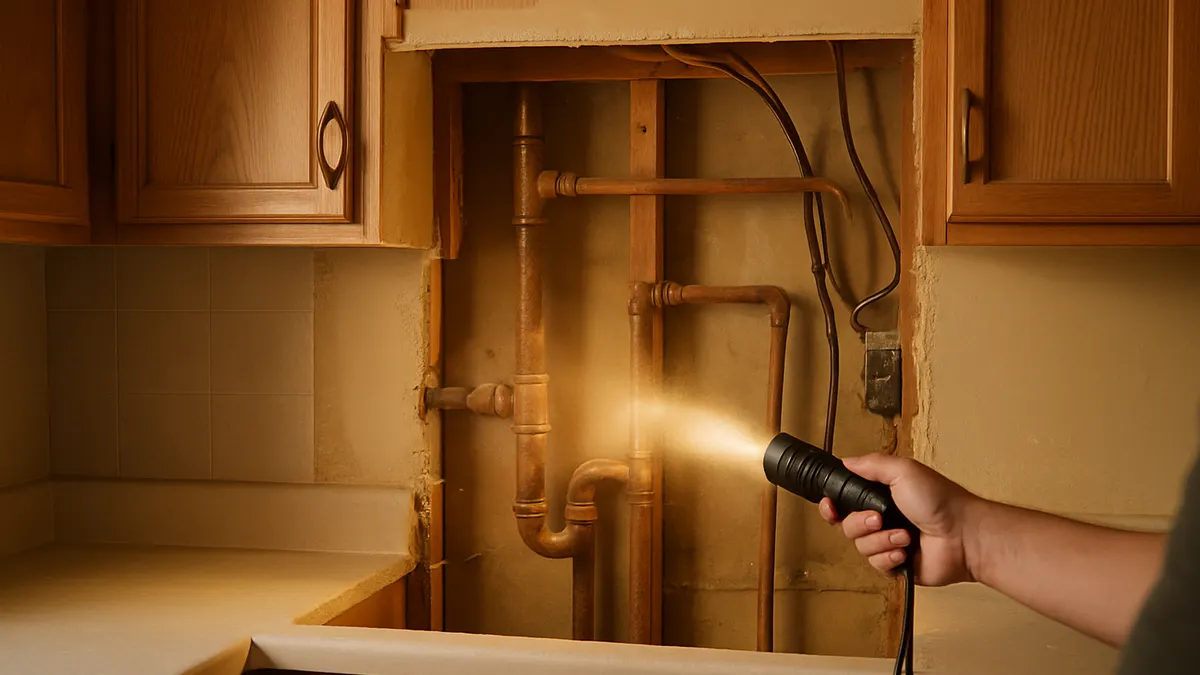
This is the category that catches the most people. Once walls and floors are opened, contractors sometimes find water damage, mold, outdated framing, or pipes and wiring that are not where the plans assumed. Repairing these issues is not a luxury; it is the foundation the rest of your kitchen depends on. A thorough walkthrough and a careful inspection upfront reduce the odds of a major surprise, which is why we always recommend starting with a detailed pre-project checklist before any demolition begins.

Plumbing and Electrical Relocation

Moving a sink, adding an island, or installing a pot filler sounds simple on paper. In practice, relocating water lines, drains, and electrical circuits is skilled, time-intensive work. Every appliance with a water or power connection that shifts position adds labor and materials. Homeowners who change the layout, rather than keeping fixtures in place, should expect this line item to grow.

Flooring Transitions and Subfloor Repair

New flooring frequently exposes an uneven or damaged subfloor that has to be leveled or replaced before the finished surface goes down. Transitions between the kitchen and adjoining rooms may also need new thresholds or trim. Spending time choosing durable surfaces underfoot pays off, but budget for the prep work hiding beneath them.

Cabinetry Decisions That Shift the Budget

Cabinets are usually the largest single expense, and small choices here move the total significantly. Soft-close hinges, custom sizing, interior organizers, and premium finishes all add up. Some homeowners save meaningfully by weighing a cabinet refresh against full replacement, a decision that can change the project total by thousands of dollars depending on the condition of your existing boxes.

Temporary Living Expenses

While your kitchen is out of commission, daily life still has to happen. Many families underestimate weeks of takeout meals, a temporary microwave-and-cooler setup, or even short-term housing during a major renovation. These soft costs do not appear on any contractor invoice, but they are real money out of your pocket and worth planning for.

Upgrade Creep and Last-Minute Changes

Once the project is underway and you can see the space taking shape, it is tempting to add just one more upgrade. A nicer faucet here, an extra row of tile there, an unplanned lighting fixture. Each change order is usually small on its own, but together they are one of the most common reasons budgets balloon. Decide on your finishes early and resist mid-project additions unless they are truly worth it.

How to Budget for the Unexpected

You cannot predict every surprise, but you can prepare for them. A few habits keep your finances steady:

If your budget is tight, you still have options. Our roundup of ways to stretch a tighter budget with smart choices shows how thoughtful planning can deliver a dramatic result without overspending. We are also assembling a complete kitchen remodeling cost breakdown so you can see where every dollar typically goes.

Plan Smart, and the Surprises Stay Small

Hidden costs are only frightening when they are unexpected. With an honest estimate, a sensible contingency, and a contractor who manages the entire project from start to finish, those line items become a manageable part of the plan instead of a shock. The same discipline applies if you decide to expand the scope, such as giving a dated bathroom the same refresh while crews are already on site, which can actually reduce the cost per room.

A well-run remodel does more than look beautiful; it protects the value of your home. If you are curious about what your upgrade returns at resale, the payoff often justifies planning for the full picture rather than the lowest possible number. When you are ready, request a clear, written estimate so you know exactly what to expect before the first cabinet comes down. For homeowners who want to dig deeper, we are also preparing tips for comparing contractor quotes side by side to help you read every proposal with confidence.