Contractor in Bucks County, Pennsylvania

Can You Paint Bathroom Tile? Everything You Need to Know

Can You Paint Bathroom Tile? Everything You Need to Know

If your bathroom tiles look dated, stained, or just plain tired, you’re probably wondering whether painting them is a realistic option—or just wishful thinking. The good news: yes, you can paint bathroom tile, and when done correctly, it can deliver a surprisingly clean, refreshed look without the cost of a full renovation.

But like most home improvement projects, the results depend almost entirely on preparation, the right products, and realistic expectations. Here’s everything you need to know before you pick up a brush.

Is Painting Bathroom Tile a Good Idea?

Painting tile isn’t a permanent solution—it’s more of a cosmetic refresh. It works best for homeowners who want to update the look of their bathroom on a limited budget, or those who plan to sell their home and want a cost-effective improvement that gives the space more visual appeal.

That said, painted tile can hold up well in low-moisture areas like bathroom walls or backsplashes. Floor tiles are a different story—constant foot traffic and wet conditions can cause paint to chip and peel much faster, so painting floor tiles is generally not recommended.

If you’re thinking bigger than a paint job, a full bathroom remodeling might be the better long-term investment, especially if the tiles are cracked, heavily stained, or poorly installed.

What Type of Paint Works on Tile?

Not all paints are created equal when it comes to tile. Regular wall paint won’t bond properly to a slick, non-porous ceramic or porcelain surface—and it will start peeling within weeks.

For bathroom tile painting, you’ll want to use one of the following:

No matter which product you choose, always follow the manufacturer’s instructions and apply at least two coats. A proper topcoat or sealant is non-negotiable in a bathroom environment.

What You’ll Need: Supplies and Tools

Before you start, gather everything you need to do the job right. Rushing through preparation is the number one reason painted tile fails.

Having the right supplies ready before you start will make the entire process smoother and help you avoid mid-project trips to the hardware store.

Step-by-Step: How to Paint Bathroom Tile

Step 1: Clean the Tiles Thoroughly

This is the most critical step. Any soap scum, grease, mildew, or residue will prevent the primer and paint from adhering properly. Use a tile cleaner or TSP solution and scrub every surface you plan to paint. Rinse well and let everything dry completely—at least 24 hours.

Step 2: Lightly Sand the Surface

Sanding creates a slightly rough texture that helps primer bond to the slick tile surface. Use 220-grit sandpaper and work in small circular motions. Wipe down the tiles with a damp cloth after sanding to remove any dust.

Step 3: Apply a Bonding Primer

Don’t skip the primer. A bonding primer specifically formulated for slick, non-porous surfaces is essential. Apply a thin, even coat and allow it to dry fully according to the manufacturer’s instructions—usually at least two to four hours.

Proper priming and preparation are the same principles any professional contractor follows before applying finish coats—whether that’s on tile, trim, or cabinetry.

Step 4: Apply the Tile Paint

Using a small foam roller for flat sections and an angled brush for grout lines and corners, apply your first coat of tile paint in thin, even strokes. Avoid going back over wet paint, which can cause streaking. Let the first coat dry completely before adding a second.

Two coats are typically sufficient for good coverage, but a third coat can be added if needed for uniformity.

Step 5: Seal with a Waterproof Topcoat

Once the final coat of paint has dried, apply at least two coats of a clear waterproof sealer. This is your protection against steam, splashing, and daily moisture exposure. Without a proper seal, even the best tile paint will begin to peel within a few months.

Step 6: Allow Full Cure Time

This is where most DIYers make a mistake: they use the bathroom too soon. Even if the tile feels dry to the touch, epoxy and enamel paints need several days—sometimes up to a week—to fully cure. Avoid exposing the surface to moisture during this period.

How Long Does Painted Tile Last?

With proper preparation and a quality sealant, painted wall tiles can last anywhere from five to ten years before they start to show wear. Floor tiles, if you do choose to paint them, will likely need repainting every one to three years depending on traffic.

Painted tile in a shower or tub surround tends to break down faster due to constant direct water exposure. In these high-moisture areas, a professional tile installation may be a more practical long-term solution.

If you’re already considering updates to your bathroom, it’s worth exploring a complete home remodeling project that addresses not just the tile but the fixtures, layout, and overall functionality of the space.

Common Mistakes to Avoid

When to Call a Professional Instead

Painting your tile is a reasonable DIY project if the tiles are in good structural condition and you’re comfortable with multi-step prep work. But there are situations where a professional eye makes more sense:

In these cases, it’s worth consulting a contractor who specializes in kitchen and bath renovations. Sometimes a targeted update—like new tile, new fixtures, or even new windows—can transform the entire feel of a room more effectively than paint alone.

Speaking of targeted upgrades, many homeowners overlook how much natural light affects the look of their bathroom. Replacing outdated or drafty windows can be a game-changer—you can learn more about window installation options if that’s something you’ve been considering alongside your tile refresh.

And if your renovation plans include any changes to your sink, shower lines, or bathroom fixtures, it’s smart to have a licensed professional handle the plumbing side. Proper plumbing work ensures everything is up to code and functioning correctly before any cosmetic finishes are applied.

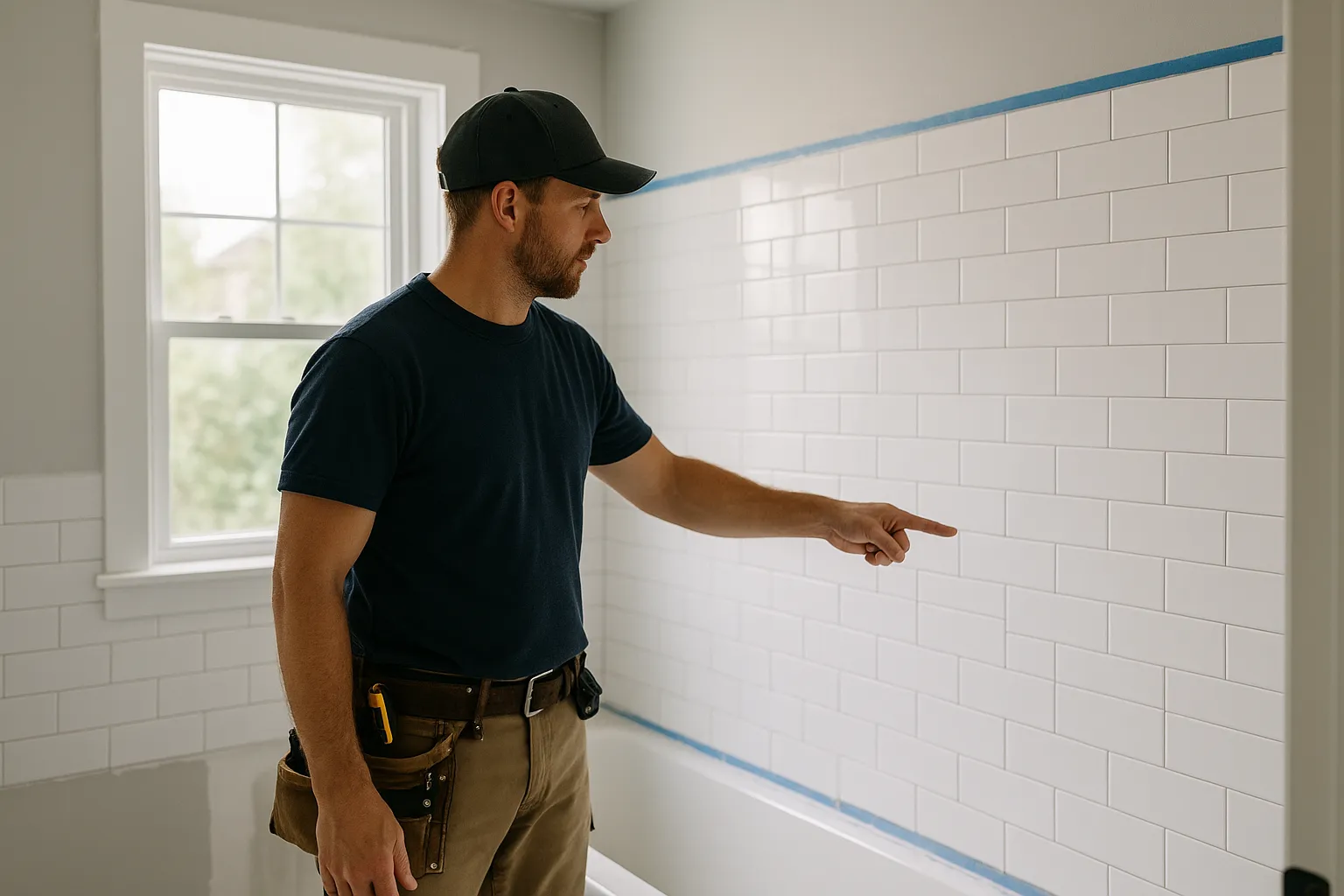
Painted Tile vs. Tile Replacement: Which Is Right for You?

Here’s a simple way to decide:

Painting tile is a cost-effective solution, but it’s not a permanent fix. Think of it as a bridge—something that keeps your bathroom looking presentable while you plan a more comprehensive update.

Key Takeaways Before You Start

Painting bathroom tile is absolutely doable—and when approached with the right materials and realistic expectations, it can make a real difference in how a bathroom looks and feels. The key is preparation. Skip it, and the paint will fail. Follow the steps, and you’ll have a refreshed space that holds up well for years.

Whether you’re going the DIY route or weighing a full renovation, the best outcomes start with knowing what you’re working with and what you want to achieve. If you’re ever in doubt, don’t hesitate to get a professional opinion. A quick consultation can save you from costly mistakes—and help you make the most of your home improvement budget.

Frequently Asked Questions

Yes, bathroom tile can be painted successfully when the surface is properly cleaned, sanded, and primed. Using high-quality tile paint and following the correct preparation steps can help create a refreshed look that lasts.
Epoxy paint, tile-specific paint, or waterproof enamel paint is often recommended for bathroom tile because these products are designed to withstand moisture, humidity, and frequent cleaning.
Painted bathroom tile can last several years with proper preparation and maintenance. Durability depends on factors such as surface prep, paint quality, moisture exposure, and how heavily the area is used.
Yes, painting bathroom tile is generally much more affordable than replacing tile. It can be a cost-effective option for homeowners who want to refresh their bathroom appearance without the expense of a full remodel.
Painted tile may require touch-ups over time, especially in high-moisture or high-traffic areas. Improper preparation can lead to peeling or chipping, and painted surfaces may not last as long as completely replacing old tile.